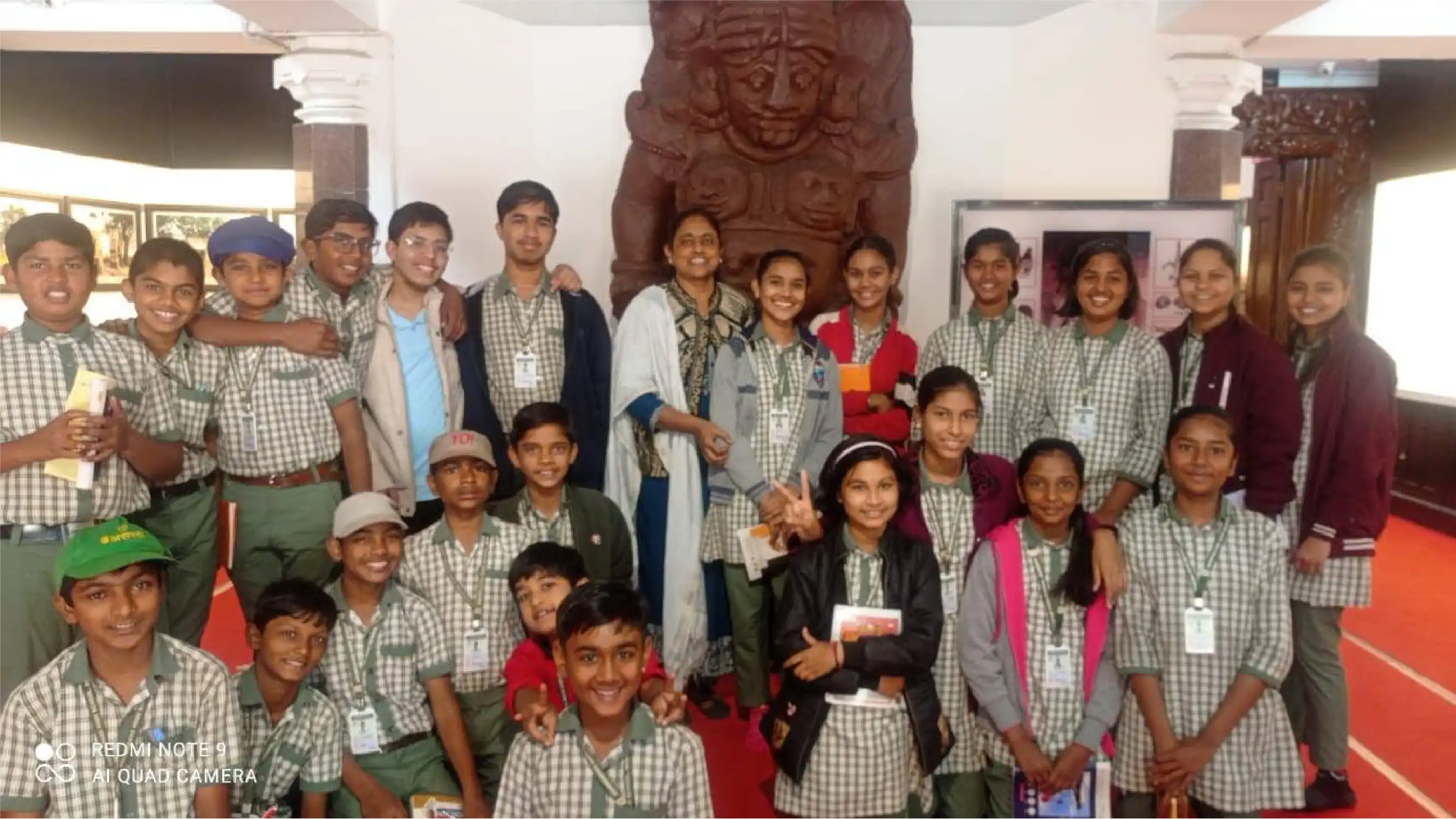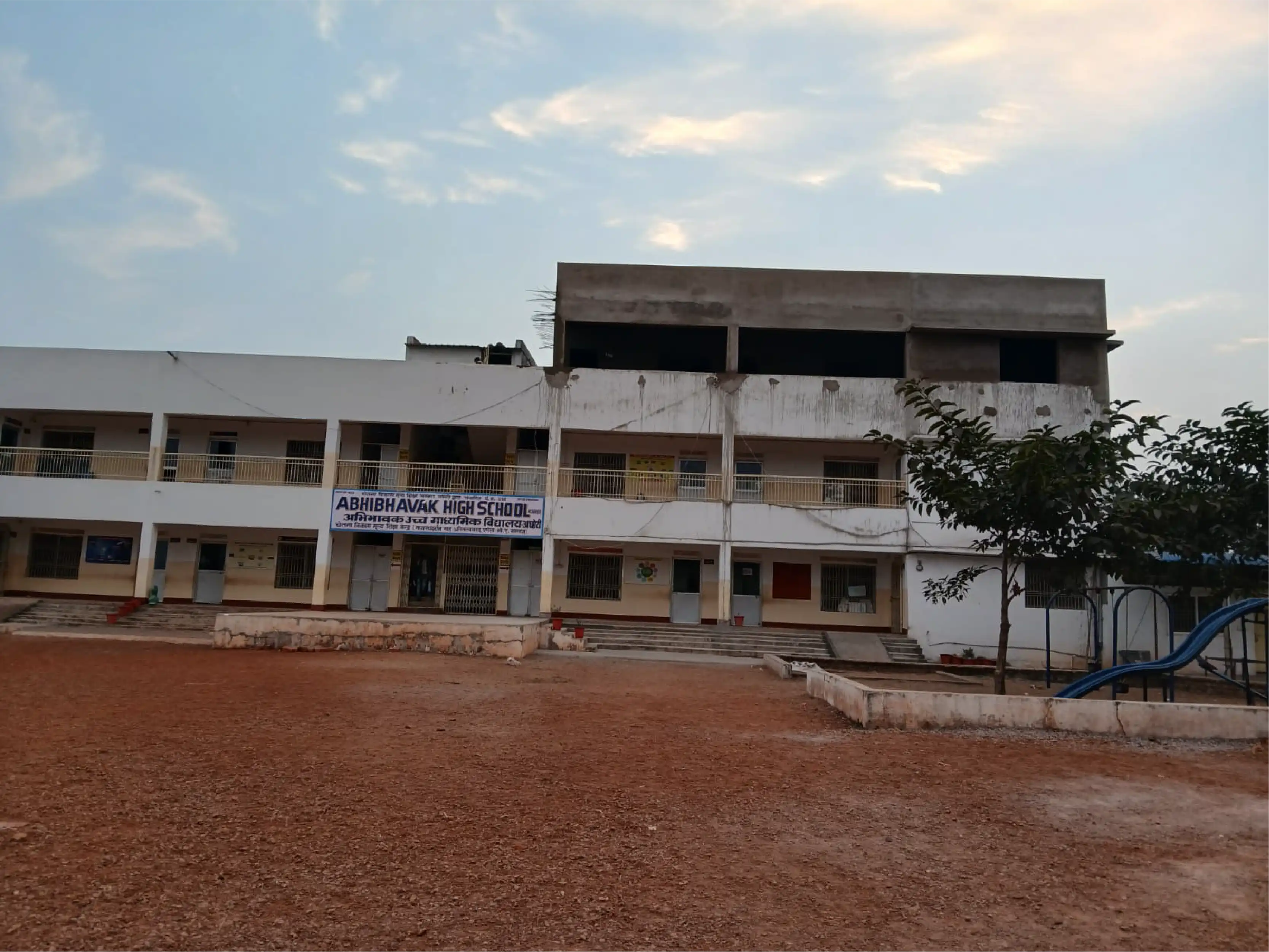
Abhibhavak Vidyalay Campus

Education and Sanskar

Abhibhavak Vidyalay - Achhoti

A Living Campus for Education, Family Participation and Coexistence

Location

Achhoti, District Durg, Chhattisgarh

Established

2016

Project Leader

Ankit Pogula

Campus

17 acres

Domain

Education and Sanskar

Focus

Holistic education, family participation and sustainable community living

About the Project

About Abhibhavak Vidyalay - Achhoti

Abhibhavak Vidyalay - Achhoti was established to explore a more comprehensive approach to education and human development, placing parents, families, and community at the centre.

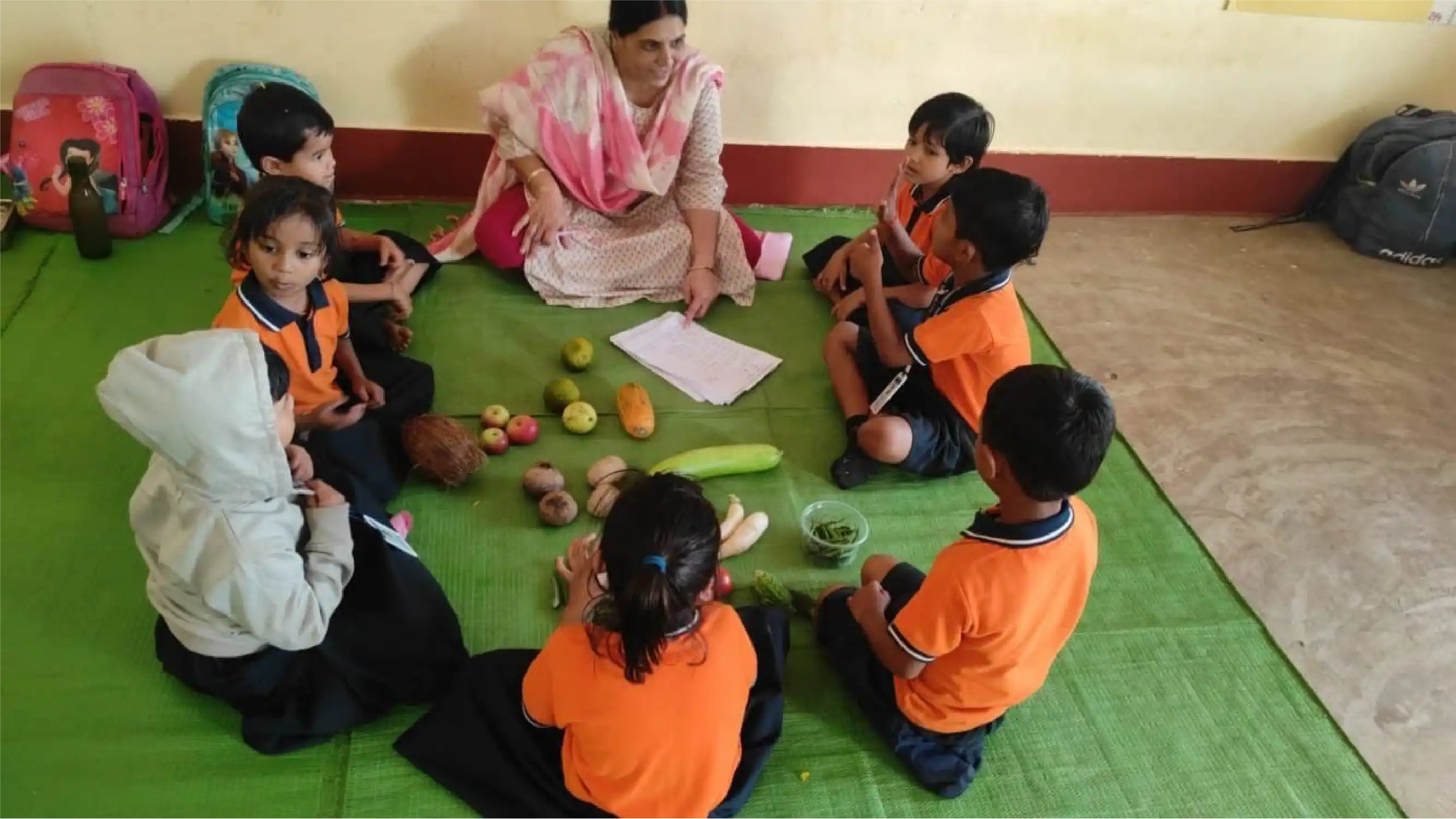
Abhibhavak Vidyalay learning environment

The project recognises that children do not learn only through classrooms, books or examinations. They also learn from family relationships, the conduct of adults, the surrounding environment and the systems in which they participate.

For this reason, the initiative places parents, families and the wider community at the centre of the educational process. The word 'Abhibhavak' reflects this emphasis on responsible guardianship and participation.

The campus brings together study, dialogue, agriculture, animal care, family life and community activity. This allows education to be connected with everyday conduct rather than remaining separate from lived experience.

The project aims to support the development of individuals who can understand themselves, maintain fulfilling relationships and participate responsibly in society and nature.

Core Work

How the Campus Works

The project brings study, family participation and practical campus life into one learning environment.

The Need for a Holistic Educational Environment

Holistic Environment

The Need for a Holistic Educational Environment

Children may receive information about the world without gaining clarity about how to live within it. Parents and teachers may also struggle to connect education with values in a way that is practical, consistent and free from moral pressure. Abhibhavak Vidyalay - Achhoti responds to this gap by creating an environment in which education includes both knowledge and conduct.

Jeevan Vidya–Sah-Astitva Shivirs

Orientation & Shivirs

Jeevan Vidya–Sah-Astitva Shivirs

Jeevan Vidya–Sah-Astitva Shivirs form an important part of the initiative. Since 2016, more than 10,000 people have been reached through these study and orientation programmes.

Families as Active Participants

Family Participation

Families as Active Participants

A distinctive feature of Abhibhavak Vidyalay - Achhoti is the active involvement of families. Approximately 25 families are currently engaged in studying and practising Madhyasth Darshan.

Learning Through Sustainable Living

Sustainable Living

Learning Through Sustainable Living

The 17-acre campus provides opportunities to connect education with practical living. Activities such as dairy farming and other community-based practices allow participants to understand the relationship between work, production, consumption and responsibility.

Impact & Outreach

Impact and Community Reach

The project has reached more than 10,000 individuals through Jeevan Vidya–Sah-Astitva Shivirs and related activities.

Its impact is reflected not only in participation figures but also in the development of a community that is actively studying and applying the understanding in everyday life.

The project’s wider significance lies in its attempt to demonstrate that education, relationships and sustainability can be approached together rather than as separate subjects.

10,000+

individuals reached through Jeevan Vidya–Sah-Astitva Shivirs

25

families engaged in continued study and practice

17 acres

learning and living campus in Achhoti

2016

year the initiative was established

Future School

Future Residential School Development

A major future goal of Abhibhavak Vidyalay - Achhoti is the development of a residential school on the campus.

The proposed school can bring together academic learning, Jeevan Vidya–Sah-Astitva, family participation and practical engagement within a structured educational programme.

The residential model is expected to provide children with an environment where learning continues beyond classroom hours. Daily living, relationships, work, food, nature and community participation can all become part of the educational experience.

Development of school infrastructure

Creation of residential facilities

Curriculum design

Teacher and facilitator development

Future residential school campus
Families participating in learning

Family Participation

The project therefore does not treat parents merely as stakeholders or visitors. They are active participants in creating the educational environment.

More Details

Core Inquiries & Reflections

+

What is the purpose of education?

How can children develop clarity alongside academic capability?

What is the role of parents in the learning process?

How can families live with mutual trust and responsibility?

How can education support harmony with nature?

How can communities move towards self-reliance and mutual prosperity?

Key Areas of Study

+

Jeevan Vidya–Sah-Astitva Shivirs form an important part of the initiative. Since 2016, more than 10,000 people have been reached through these study and orientation programmes.

Participants include young people, parents, teachers, families and individuals interested in understanding Madhyasth Darshan.

The Shivirs provide a space to examine human aspirations, relationships, happiness, prosperity and coexistence. Rather than asking participants to accept a belief, the sessions encourage self-exploration and verification.

Understanding the human aspiration for happiness and prosperity

Harmony within the self

Trust, respect and fulfilment in relationships

The role of family in human development

Justice and participation in society

Responsible use of physical resources

Harmony between human beings and nature

The possibility of an undivided society and universal order

Where Understanding Shows Up

+

A distinctive feature of Abhibhavak Vidyalay - Achhoti is the active involvement of families. Approximately 25 families are currently engaged in studying and practising Madhyasth Darshan.

Their participation allows the campus to function not only as an educational institution but also as a living environment for collective learning.

When parents and guardians participate in the learning process, education becomes more consistent across the classroom, home and community.

Parent-child relationships

Cooperation between family members

Shared responsibility

Education and guidance of children

Work and production

Resource management

Community decision-making

Care for nature and animals

Core Observational Values

+

The 17-acre campus provides opportunities to connect education with practical living. Activities such as dairy farming and other community-based practices allow participants to understand the relationship between work, production, consumption and responsibility.

Sustainable living within the campus is not presented only as an environmental activity. It is connected with the larger question of how human beings can fulfil their physical needs without exploitation or excessive consumption.

The campus environment also creates space to examine how physical facilities, food systems, agriculture and community life can be organised in a mutually supportive manner.

Responsible production

Care for animals

Respect for natural resources

Cooperation in daily work

Local self-reliance

Thoughtful consumption

Participation in shared responsibilities

Who the Project Serves

+

Abhibhavak Vidyalay - Achhoti primarily serves families, children, young people and community members in Achhoti and surrounding areas.

The initiative also serves as a learning space for educators and organisations interested in understanding how family participation can strengthen education.

Parents seeking a more holistic approach to education

Children and young learners

Teachers and facilitators

Youth interested in Jeevan Vidya–Sah-Astitva

Families exploring cooperative and sustainable living

Community members seeking clarity in relationships

Individuals interested in Madhyasth Darshan

Institutions exploring alternative education models

SHAPE Foundation’s Role & Support

+

SHAPE Foundation supports initiatives that connect education with consciousness development, harmonious relationships and responsible participation.

Abhibhavak Vidyalay - Achhoti aligns with this purpose by creating a living model of education in which children, parents and communities learn together.

SHAPE Foundation’s association helps strengthen the project’s long-term development and supports its vision of expanding into a residential educational institution.

The partnership also helps bring visibility to the project, connect it with other initiatives and develop opportunities for wider collaboration.

Right understanding

Family participation

Humane relationships

Sustainable living

Community responsibility

Coexistence with nature

Future Priorities & Development Areas

+

Development of school infrastructure

Creation of residential facilities

Curriculum design

Teacher and facilitator development

Parent participation programmes

Agricultural and practical learning activities

Learning resources and campus facilities

Documentation of the educational model

Partnerships with educators and institutions

FAQ

Frequently Asked Questions

It is a community-based education and living initiative in Achhoti village, Chhattisgarh, that connects family participation, sustainable living, and coexistence.
'Abhibhavak' means parent or responsible guardian, reflecting the initiative's emphasis on family and parent participation in education.
The initiative was established in 2016.
The project leader is Ankit Pogula.
The campus covers 17 acres of land, supporting study, dialogue, agriculture, animal care, and community living.
More than 10,000 individuals have participated in Jeevan Vidya–Sah-Astitva orientation Shivirs since 2016, and around 25 families are actively practicing these principles on campus.

Contact Us

Connect with the Project Team

For information about study programmes, partnerships or project support, contact SHAPE Foundation or the project team.

Support channels

Phone

+91 75064 33814

Support Our Vision

Support the Residential School

Your contribution helps build the proposed residential school infrastructure, campus facilities, and learning materials to model a human-centred and co-existential education system.