Low-Investment Farming
A Low-Investment Farming Approach
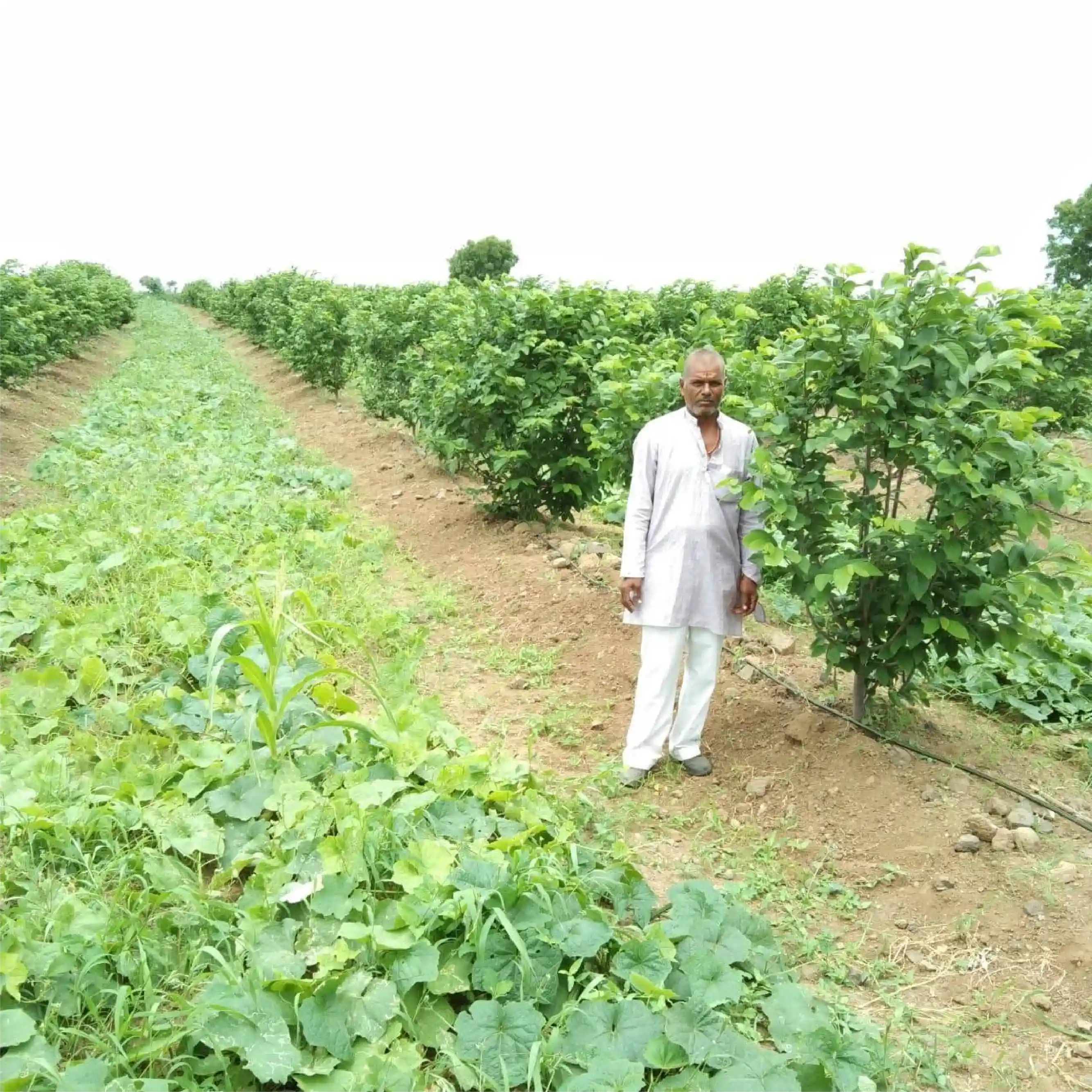
A central feature of Global Vikas Trust's work is its focus on low-investment agricultural practices.

Sustainable Production
Strengthening Farmer Prosperity Through Sustainable Agriculture and Rural Development
Location
Rui village, Beed district, Maharashtra
Established
2016
Domain
Sustainable Production
Project Lead
Mayank Gandhi
Primary Focus
Sustainable agriculture, farmer prosperity and women's empowerment
About the Project
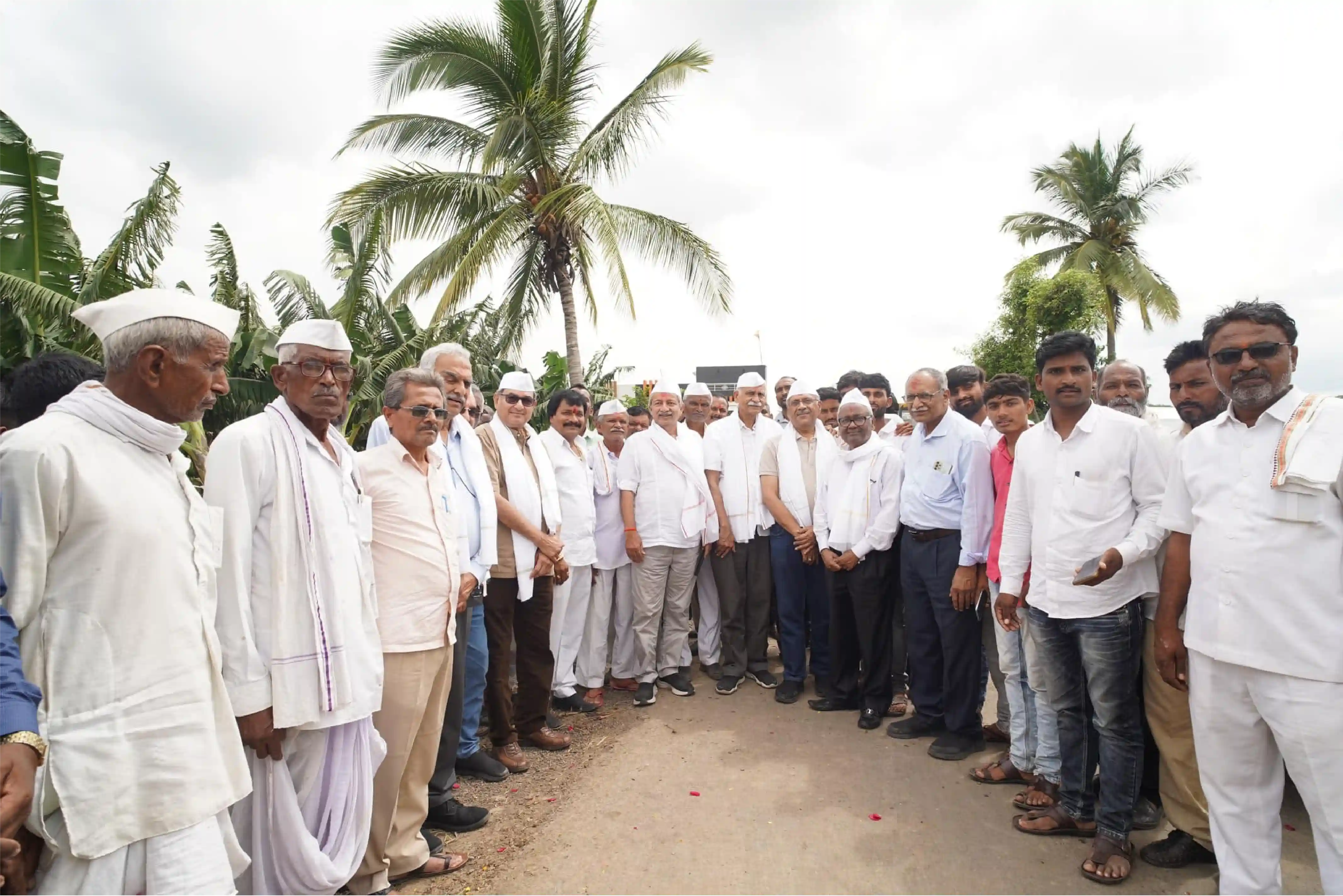
Global Vikas Trust is a rural development initiative working in Rui village and surrounding communities in Beed district, Maharashtra. Since 2016, the Trust has supported approximately 16,000 farmers through practical agricultural guidance, low-investment farming methods, sustainable technologies and community-focused development.

Its approach recognises that the challenges faced by farmers are interconnected. Low productivity may be related to soil condition, water scarcity, crop selection, input costs, climate uncertainty, access to markets and the availability of practical guidance.
A solution focused on only one of these areas may provide temporary relief without creating long-term stability. The Trust therefore works towards a wider model of rural development.
The project also recognises that agricultural development affects the whole family. When farming becomes more secure and productive, families can experience greater stability in education, health, livelihood and social participation.
Global Vikas Trust's work is therefore not limited to increasing crop output. It seeks to create the conditions for dignified and prosperous rural life.
Core Work

Low-Investment Farming
A central feature of Global Vikas Trust's work is its focus on low-investment agricultural practices.

Sustainable Technology
Global Vikas Trust encourages the use of agricultural technologies and practices that can improve productivity without placing unnecessary pressure on the environment.

Farmer Training
Agricultural transformation depends on knowledge reaching farmers in a form they can understand and apply.
Current Reach and Impact
Since 2016, Global Vikas Trust has supported approximately 16,000 farmers in Beed district. This reach represents a substantial rural network and creates opportunities for both individual and community-level change.
16,000
farmers supported across Beed district
2016
year the Trust began this work
Beed
drought-prone district served in Maharashtra
Women
included within the rural development approach

SHAPE Foundation's Role
SHAPE Foundation supports Global Vikas Trust under its Sustainable Production domain. This domain focuses on production systems that meet human needs while respecting natural resources, local communities and long-term ecological balance.
Global Vikas Trust aligns with this purpose by helping farmers produce more sustainably and improve their livelihoods without depending entirely on high-cost agricultural systems.
The partnership reflects the understanding that sustainable production must also support the producer. A system cannot be considered sustainable if the land is protected but the farmer remains insecure. Ecological responsibility and farmer prosperity must develop together.
Future Direction
Global Vikas Trust plans to strengthen its work through climatic studies and improved market strategies. Climate-related research is becoming increasingly important for agriculture.
Market development is equally important. Improved production does not automatically result in better income if farmers lack access to fair prices, storage, processing or reliable buyers.
Connecting sustainable production with fair and dependable markets can significantly improve long-term farmer prosperity.
Better buyer connections
Farmer aggregation
Improved grading and packaging
Local processing
Market information
Crop diversification based on demand

Beed district is part of Maharashtra's drought-prone Marathwada region. Agriculture in such areas is deeply affected by rainfall variation, water availability and changing climatic conditions.
When farmers invest heavily in a crop and receive poor rainfall or low market prices, the financial impact can continue for several seasons. Borrowing may increase, while the ability to invest in the next crop declines.
Global Vikas Trust works within this context. Its programmes seek to help farmers reduce risk, make more informed decisions and improve returns from the resources they already possess.
Irregular or insufficient rainfall
Limited irrigation
Declining soil health
High costs of seeds, fertilisers and other inputs
Dependence on a small number of crops
Limited access to technical guidance
Price fluctuations
Market uncertainty
Debt and financial pressure
Migration caused by unstable livelihoods
A central feature of Global Vikas Trust's work is its focus on low-investment agricultural practices.
For many rural families, farming models that require expensive machinery, chemicals or repeated borrowing may be difficult to sustain. Even when such systems generate higher yields in one season, they may increase financial risk if input costs remain high.
The Trust therefore promotes methods that farmers can adopt gradually and manage with greater confidence.
The aim is not simply to spend less. It is to help farmers invest more thoughtfully and improve the relationship between expenditure, productivity and income. Low-investment farming can be particularly valuable in drought-prone regions because it reduces the financial exposure associated with uncertain rainfall and market conditions.
Improved use of existing farmland
Better crop planning
Efficient water management
Reduction of avoidable cultivation expenses
Selection of crops suited to local conditions
Sustainable soil-management practices
Diversification of agricultural activity
Practical demonstration and farmer learning
Use of appropriate technologies
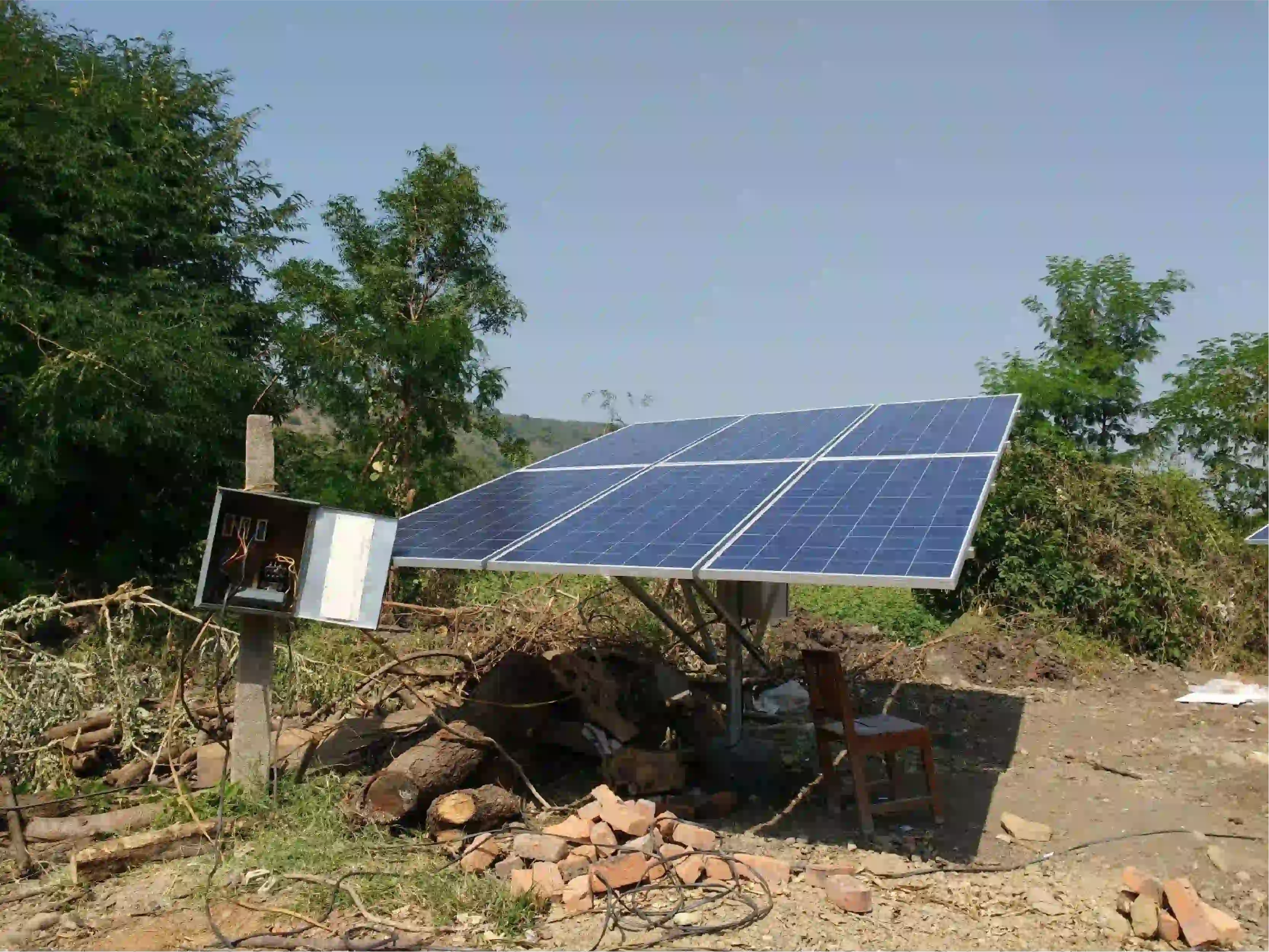
Global Vikas Trust encourages the use of agricultural technologies and practices that can improve productivity without placing unnecessary pressure on the environment.
Sustainable technology in farming does not always mean expensive or highly mechanised systems. It can include practical improvements that help farmers conserve water, protect soil, select appropriate crops and use resources more efficiently.
The value of any technology depends on whether it is appropriate for the local farmer, land, climate and financial context. For this reason, farmer education and demonstration are essential. A technology is more likely to create lasting impact when farmers understand how it works, why it is useful and how it can be maintained.
Water conservation
Efficient irrigation
Soil-health improvement
Climate-suitable crop planning
Reduced dependence on harmful inputs
Better farm management
Diversified cultivation
Resource-efficient production
Agricultural transformation depends on knowledge reaching farmers in a form they can understand and apply.
Global Vikas Trust works to build farmer capacity through practical guidance and community engagement.
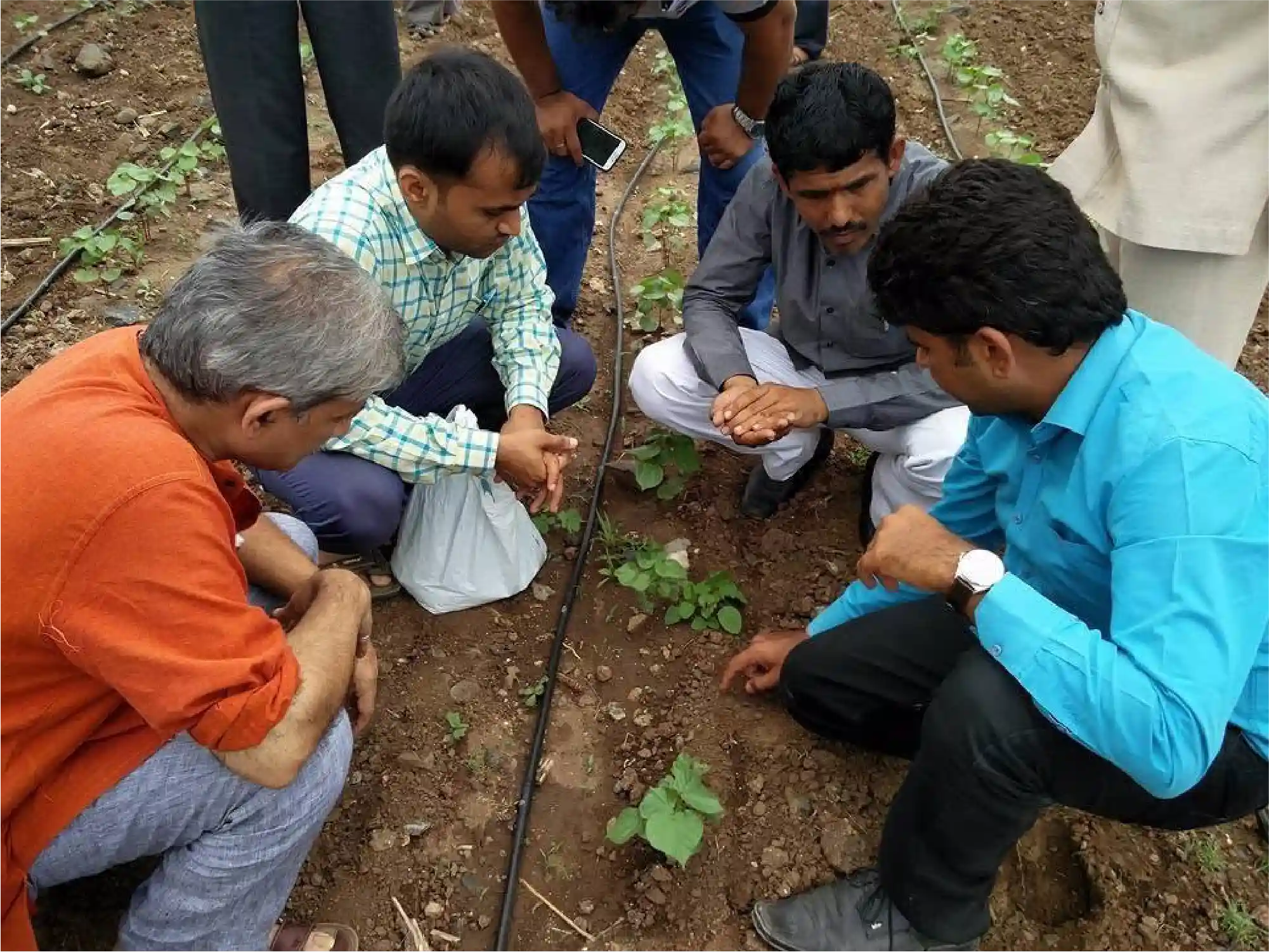
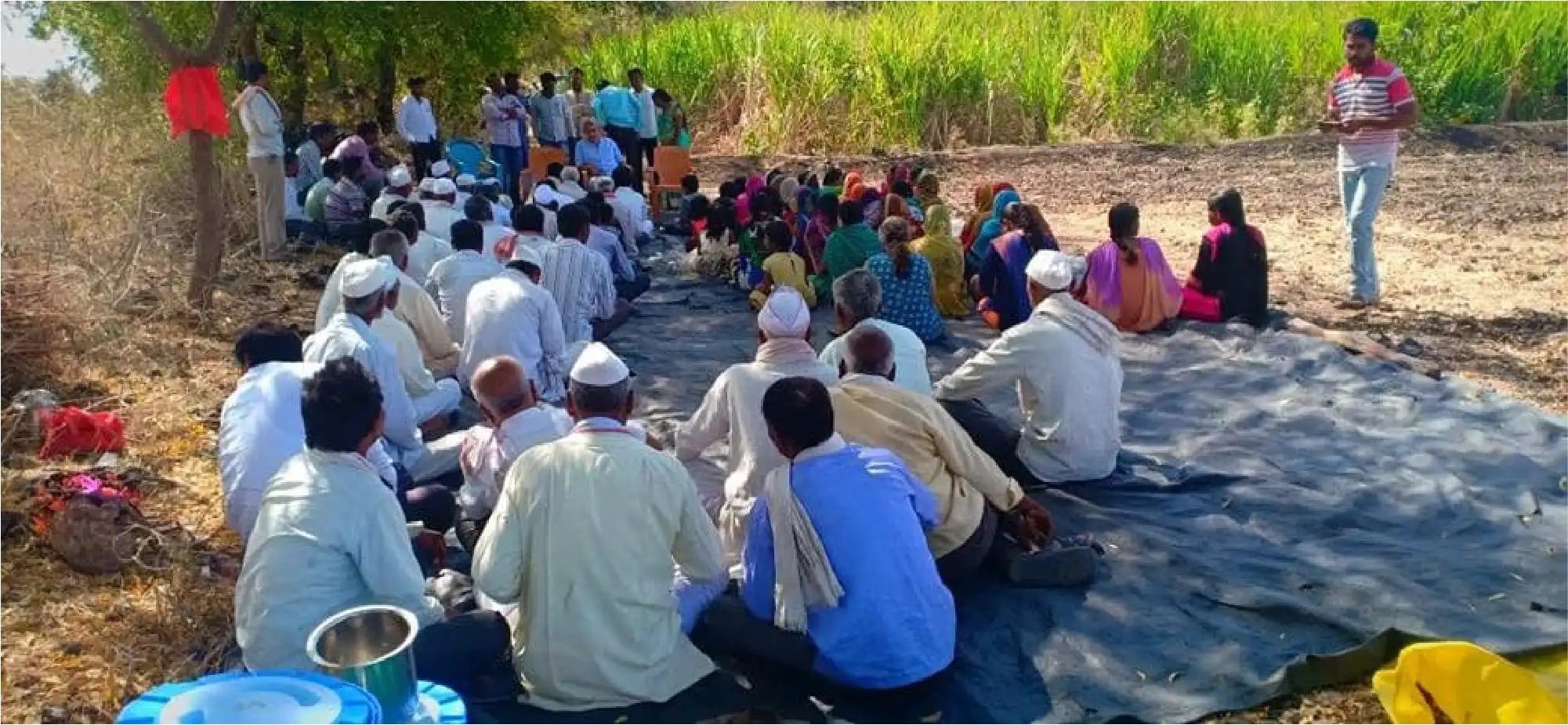
Practical learning is particularly important because farmers often need to see results under conditions similar to their own. Demonstration farms, field visits, farmer meetings and peer learning can help turn technical advice into usable knowledge.
The Trust's documented reach of approximately 16,000 farmers reflects the scale at which this knowledge and support have been extended.
Crop selection
Cultivation methods
Water use
Soil care
Input planning
Cost management
Harvesting
Market preparation
Climate-related risk
Long-term farm development
The project's purpose is closely connected with farmer wellbeing.
Agriculture is not merely an economic activity. It is the basis of family livelihood, identity, food security and community life for millions of people. When farming remains uncertain or unprofitable, the effects are visible across the household. Families may postpone education, healthcare, housing improvements or important social needs.
Debt can further intensify this insecurity. Global Vikas Trust aims to improve farmer wellbeing by helping agricultural activity become more productive and less financially risky.
The project's success therefore cannot be measured only through yield. It should also be understood through changes in income security, debt, resource use and quality of life.
Better farm income
Reduced dependence on high-cost inputs
Lower financial risk
Reduced debt pressure
Greater confidence in farming
Improved family stability
More sustainable use of land and water
Stronger rural livelihoods
Women play a major role in agriculture and rural family life, yet their contribution may remain under-recognised. They participate in sowing, harvesting, animal care, food preparation, resource management and household responsibilities. In many cases, they also contribute to small-scale production and supplementary livelihoods.
Global Vikas Trust includes women's empowerment within its rural-development approach.
Women-focused programmes can also help families diversify their income beyond a single seasonal crop. Such participation strengthens the project's wider aim of creating resilient and prosperous rural communities.
Greater household income
Improved decision-making
Better family nutrition
Increased financial confidence
Development of practical skills
Opportunities for local enterprise
Stronger community participation
Recognition of women's role in agriculture
Since 2016, Global Vikas Trust has supported approximately 16,000 farmers in Beed district. This reach represents a substantial rural network and creates opportunities for both individual and community-level change.
Farmer participation in training and guidance
Adoption of low-investment farming methods
Improved awareness of sustainable technologies
Greater focus on soil and water management
Support for women's empowerment
Increased attention to farm income and debt reduction
Development of community-based agricultural learning
SHAPE Foundation supports Global Vikas Trust under its Sustainable Production domain. This domain focuses on production systems that meet human needs while respecting natural resources, local communities and long-term ecological balance.
Global Vikas Trust aligns with this purpose by helping farmers produce more sustainably and improve their livelihoods without depending entirely on high-cost agricultural systems.
The partnership reflects the understanding that sustainable production must also support the producer. A system cannot be considered sustainable if the land is protected but the farmer remains insecure. Ecological responsibility and farmer prosperity must develop together.
Farmer training
Sustainable production methods
Rural capacity building
Women's participation
Programme development
Knowledge sharing
Future research and climatic studies
Long-term project visibility
Global Vikas Trust has the potential to develop a model that can be adapted in other drought-prone and agriculturally vulnerable regions.
The model recognises that farmers need more than short-term financial relief. They need knowledge, systems, market access and confidence.
By documenting its methods and outcomes, the Trust can help other organisations understand what works in local rural contexts. Such documentation can strengthen partnerships with governments, institutions, donors and agricultural organisations.
Farmer education
Low-investment agriculture
Appropriate technology
Water and soil responsibility
Women's empowerment
Climate awareness
Market development
Reduction of debt
Community participation
FAQ
Contact Us
Agricultural experts, institutions, funders and partners interested in sustainable farming, climate resilience, women's empowerment and rural prosperity can connect through SHAPE Foundation.
Rui village, Beed district,
Maharashtra, India
Phone: +91 75064 33814
Email: info@shape.earth
Support & Partner
Support can contribute to farmer training, field demonstrations, water-management systems, climatic studies, women-led livelihood programmes and market development.