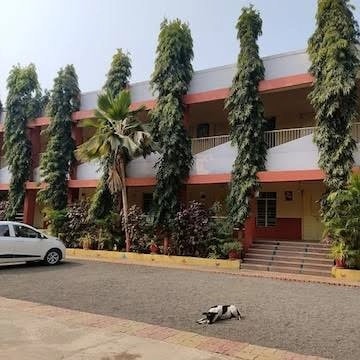
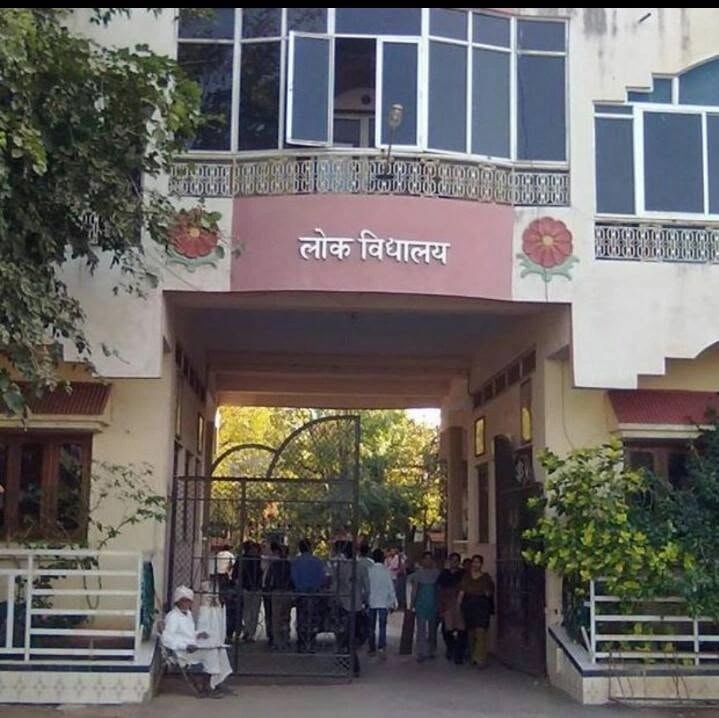
Vallukad School

Education and Sanskar

Vallukad School

Expanding Access to Quality Education for Girls in Rural Gujarat

Location

Palitana Vallukad, Gujarat

Established

1963

Domain

Education and Sanskar

Project Lead

Ghanshyam ji

Beneficiaries

Girls from villages, financially weaker families and underserved communities

About the Project

About Vallukad School

Over the years, the institution has developed into a broad educational ecosystem. It includes the Swami Vivekanand Prathmik Shala for primary education, approved classes up to the higher-secondary level, a sports school and a girls’ college offering B.A. and B.Com programmes.

About Vallukad School

The campus provides both education and residential support, allowing girls from nearby villages to continue their studies in a secure and nurturing environment. This is particularly important for students whose families may not be able to afford private schooling, regular transport or accommodation in urban centres.

The institution’s work goes beyond classroom instruction. It aims to support the overall development of each student by combining education with nutrition, care, discipline, sports and community values.

By creating continuity from school to college, Vallukad School helps students remain within the education system for longer. This strengthens their prospects for higher education, employment, self-reliance and meaningful participation in family and society.

Core Work

What the Project Does

Education, Residential Care & Development

Student Development

Education, Residential Care & Development

Vallukad School functions as a comprehensive educational hub rather than as a single standalone school.

Impact on Girls & Rural Communities

Impact & Outcomes

Impact on Girls & Rural Communities

Vallukad School currently provides education and residential facilities to approximately 1,100 girls. Its primary beneficiaries are students from nearby villages, financially weaker families and communities with limited access to urban educational institutions.

SHAPE Foundation’s Role & Support

SHAPE Support

SHAPE Foundation’s Role & Support

SHAPE Foundation has supported Vallukad School through financial and social assistance. A contribution of ₹6 lakh was provided for infrastructure and facility improvements.

Impact & Outcomes

Impact on Girls & Rural Communities

Vallukad School currently provides education and residential facilities to approximately 1,100 girls. Its primary beneficiaries are students from nearby villages, financially weaker families and communities with limited access to urban educational institutions.

The project’s impact can be understood through several connected outcomes. First, it increases access to education. Girls who may otherwise discontinue their studies because of distance, cost or family circumstances are able to remain enrolled.

Second, it improves educational continuity. Students can progress from primary education to secondary school and, in many cases, to undergraduate studies within the same institutional ecosystem.

Third, the residential environment provides greater stability. Students receive accommodation, meals, supervision and access to educational resources within a structured campus.

Fourth, the school contributes to the wider social and economic development of the region. Educated girls are more likely to participate confidently in family decisions, pursue employment, support the education of future generations and contribute to their communities.

The project also creates an important demonstration effect. When families see girls completing school and moving into higher education, community attitudes towards girls' education can gradually become more supportive.

1,100

girls currently supported with education and residential facilities

1963

year the institution was established

₹6 lakh

SHAPE contribution for facility improvements

300

children proposed in the initial residential school phase

SHAPE Foundation’s Role & Support

SHAPE Support

SHAPE Foundation’s Role & Support

SHAPE Foundation has supported Vallukad School through financial and social assistance. A contribution of ₹6 lakh was provided for infrastructure and facility improvements.

The support was used for the development of the town hall, installation of fans, improvement of the sound system, and provision of LCD screens. These facilities support assemblies, educational programmes, cultural activities, community events and wider student engagement.

The school has also worked in partnership with Shishu Vihar Sansthan, Bhavnagar, alongside SHAPE Foundation.

A key future direction identified by the institution is the development of the Gujarat Welfare Gyan Shakti Residential School. The earlier project plan proposed accommodating 300 children in the initial phase, followed by expansion over time.

This proposed development aligns with Vallukad School’s wider purpose of increasing access to quality residential education. However, land-related issues with government authorities have created challenges for further construction. The institution continues to work towards resolving these matters.

Future Direction

Residential School and Infrastructure Priorities

A key future direction identified by the institution is the development of the Gujarat Welfare Gyan Shakti Residential School. The earlier project plan proposed accommodating 300 children in the initial phase, followed by expansion over time.

This proposed development aligns with Vallukad School’s wider purpose of increasing access to quality residential education. However, land-related issues with government authorities have created challenges for further construction. The institution continues to work towards resolving these matters.

Development of town hall, sound systems, fans and LCD screens

Gujarat Welfare Gyan Shakti Residential School setup

Expanding residential capacity

Improving educational infrastructure

Increasing access for girls from underserved villages

Strengthening higher-secondary and college pathways

Residential School and Infrastructure Priorities

More Details

Academic & Residential Framework

+

Vallukad School functions as a comprehensive educational hub rather than as a single standalone school.

The residential model is central to the project. Many girls in rural communities face practical barriers such as long travel distances, limited transport, financial restrictions and family concerns about safety. By offering accommodation on campus, Vallukad School reduces these barriers and creates a stable environment for continued learning.

The school also recognises that education cannot be separated from health, nutrition and emotional security. Hostel meals, campus care and structured daily routines support students in focusing on their studies and participating in wider developmental activities.

Sports form another important part of the institution’s educational approach. Through physical activity and organised training, students can develop confidence, discipline, teamwork and resilience.

The presence of a girls’ college further strengthens the institution’s impact. It allows students to continue into higher education without having to leave the supportive environment they have known during their school years.

Primary education from Classes 1 to 8

Approved secondary and higher-secondary education

Residential facilities for girls from surrounding villages

A dedicated sports school

A girls’ college offering undergraduate programmes

Nutritious meals and daily residential support

Access to facilities that many rural students may not have at home

Key Indicators & Outcomes

+

Vallukad School currently provides education and residential facilities to approximately 1,100 girls. Its primary beneficiaries are students from nearby villages, financially weaker families and communities with limited access to urban educational institutions.

The project’s impact can be understood through several connected outcomes. First, it increases access to education. Girls who may otherwise discontinue their studies because of distance, cost or family circumstances are able to remain enrolled.

Second, it improves educational continuity. Students can progress from primary education to secondary school and, in many cases, to undergraduate studies within the same institutional ecosystem.

Third, the residential environment provides greater stability. Students receive accommodation, meals, supervision and access to educational resources within a structured campus.

Fourth, the school contributes to the wider social and economic development of the region. Educated girls are more likely to participate confidently in family decisions, pursue employment, support the education of future generations and contribute to their communities.

The project also creates an important demonstration effect. When families see girls completing school and moving into higher education, community attitudes towards girls' education can gradually become more supportive.

Growth in student enrolment

Improved literacy in the surrounding area

Continued attendance and reduced school discontinuation

Increased completion of secondary education

Greater progression into college

Improved nutrition and residential wellbeing

Participation in sports and extracurricular activities

Future Priorities & Support Areas

+

SHAPE Foundation has supported Vallukad School through financial and social assistance. A contribution of ₹6 lakh was provided for infrastructure and facility improvements.

The support was used for the development of the town hall, installation of fans, improvement of the sound system, and provision of LCD screens. These facilities support assemblies, educational programmes, cultural activities, community events and wider student engagement.

The school has also worked in partnership with Shishu Vihar Sansthan, Bhavnagar, alongside SHAPE Foundation.

A key future direction identified by the institution is the development of the Gujarat Welfare Gyan Shakti Residential School. The earlier project plan proposed accommodating 300 children in the initial phase, followed by expansion over time.

This proposed development aligns with Vallukad School’s wider purpose of increasing access to quality residential education. However, land-related issues with government authorities have created challenges for further construction. The institution continues to work towards resolving these matters.

Development of town hall, sound systems, fans and LCD screens

Gujarat Welfare Gyan Shakti Residential School setup

Expanding residential capacity

Improving educational infrastructure

Increasing access for girls from underserved villages

Strengthening higher-secondary and college pathways

Enhancing sports and extracurricular facilities

Improving digital learning resources

Supporting better student nutrition and residential care

Building partnerships for long-term institutional sustainability

FAQ

Frequently Asked Questions

Vallukad School is a rural residential education institution near Palitana in Bhavnagar district, Gujarat. It serves students from nearby villages and has a strong focus on girls' education.
The institution was established in 1963 by the Vinay Vihar Kevadi Mandal Trust.
The project leader is Ghanshyam ji.
The campus includes Vivekanand Prathmik Shala (primary Classes 1-8), secondary and higher-secondary classes, a dedicated sports school, and a girls' college offering B.A. and B.Com undergraduate programmes.
Girls from villages, financially weaker families, and underserved communities in rural Gujarat.
The institution is working to resolve land-related issues with government authorities to continue the construction of the Gujarat Welfare Gyan Shakti Residential School.

Contact Us

Contact Vallukad School

For information about the project, institutional partnerships or support opportunities, contact SHAPE Foundation or the school leadership.

Contact

Phone: +91 7068886455

Email: tanya@shape.earth

Support Girls' Education

Help Girls in Rural Gujarat Pursue Quality Education

Vallukad School demonstrates how education, residential care and community support can come together to create long-term opportunity for girls. Support from individuals and institutions helps improve campus facilities, residential infrastructure, learning resources, nutrition, sports facilities and future expansion.